


Authored by the Anchorage Assembly Legislative Services Office, with material by President Aaron Leggett of the Native Village of Eklutna and Former Chair Christopher Constant of the Anchorage Assembly
In January 2021, the Municipality of Anchorage and the Native Village of Eklutna established an official government-to-government relationship — one of the first in the country between a federally recognized tribe and a local government.
Acting together in Alaska’s urban center, we are building trust, strengthening communication and collaborating on issues that affect our residents and the lands we steward, from placemaking to water access. We believe in this work so much, we wrote a guidebook to help other municipalities replicate it: Building Government-to-Government Relations: A Guide for Cities & Tribal Governments (PDF).
Our Relationship in Short
A government-to-government relationship is a formal interaction between sovereign governing bodies. In practice, a government-to-government relationship between tribal organizations and local governments means that any policy decisions affecting the tribe made by the partnering governing body must be negotiated and coordinated with the tribal government.
While Dena’ina Athabascan people have lived for at least 900 years in the region where the Municipality of Anchorage is located, and the Native Village of Eklutna is the governing Tribal entity in the Anchorage area, historically, the Village was often left out of major decisions affecting their land and tribal members.
Most notably, the Native Village of Eklutna was excluded from the 1991 Fish and Wildlife Agreement that dictated the terms of the transfer of the hydroelectric plant located on Eklutna Lake, the area where the Tribe has lived for generations, from federal to local control. The hydroelectric power plant dammed the Eklutna River and blocked the spawning of five salmon species.
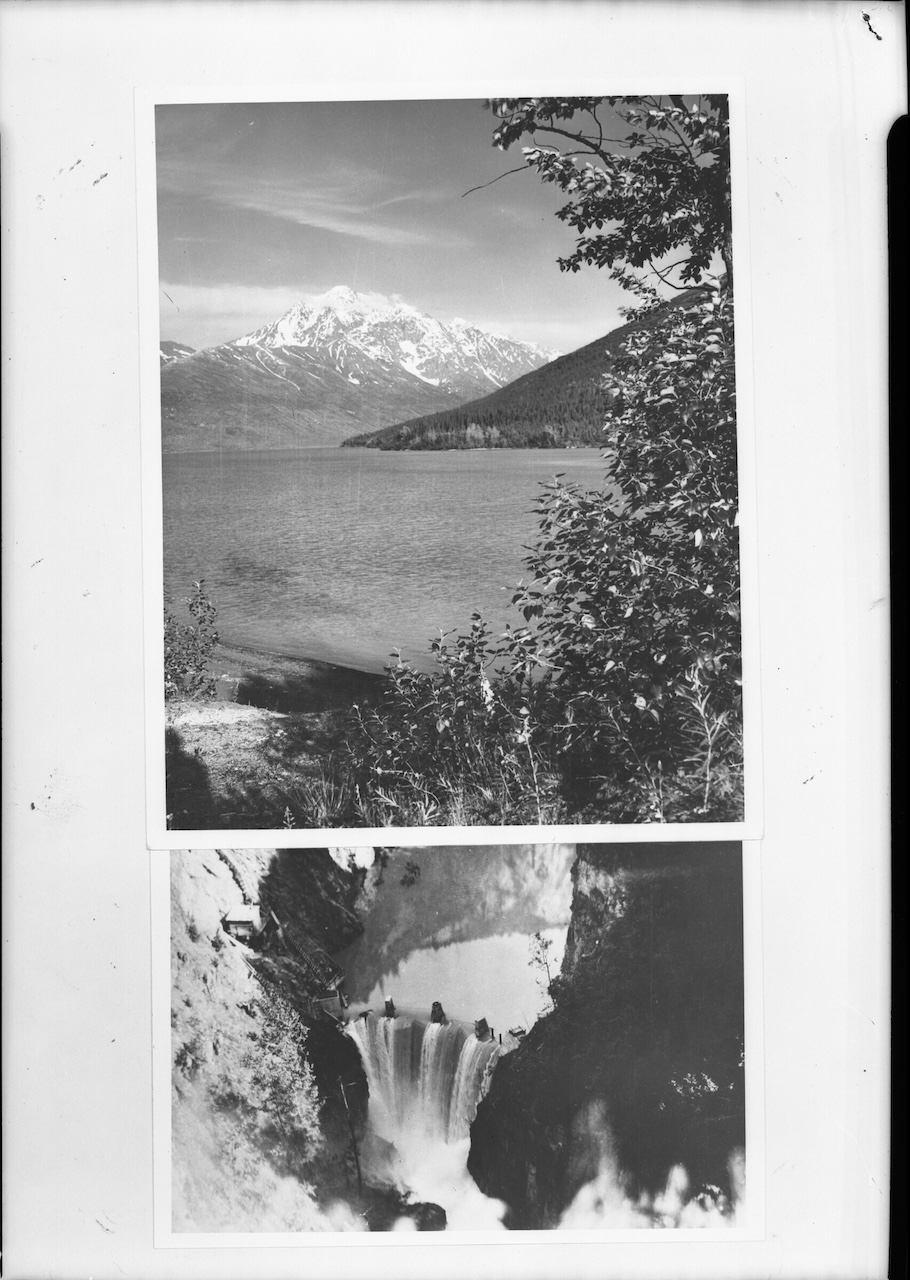
Although the river is central to the Village’s history and culture and was the source of subsistence foods for Dena’ina people, the Native Village of Eklutna was not given a seat at the table when the river was first taken in 1929, nor was it given help in shaping the future of the hydroelectric plant and restoration of the river.
Together, we are rewriting that story.
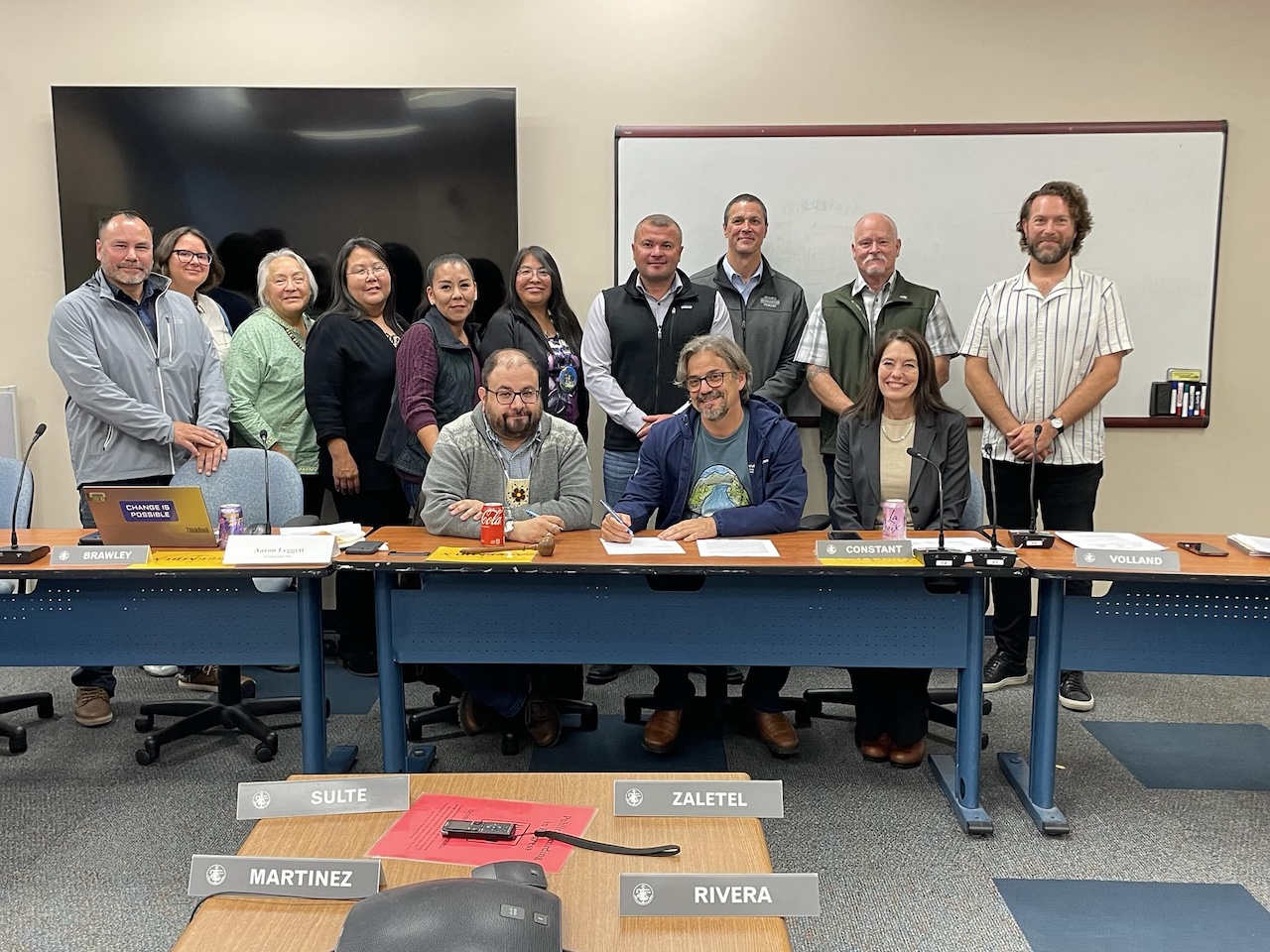
In a landmark joint action, the Anchorage Assembly and the Native Village of Eklutna approved a joint resolution supporting the exploration of pumped storage hydropower as an alternative to the proposal put forward by project utilities.
Our shared work towards the restoration of the Eklutna River and the potential for new technological solutions to achieve this goal is undoubtedly the most consequential issue for our partnership.
Since the formation of the government-to-government relationship in Anchorage, the Anchorage Assembly and the Native Village of Eklutna Tribal Council meet twice a year to work together toward shared priorities.
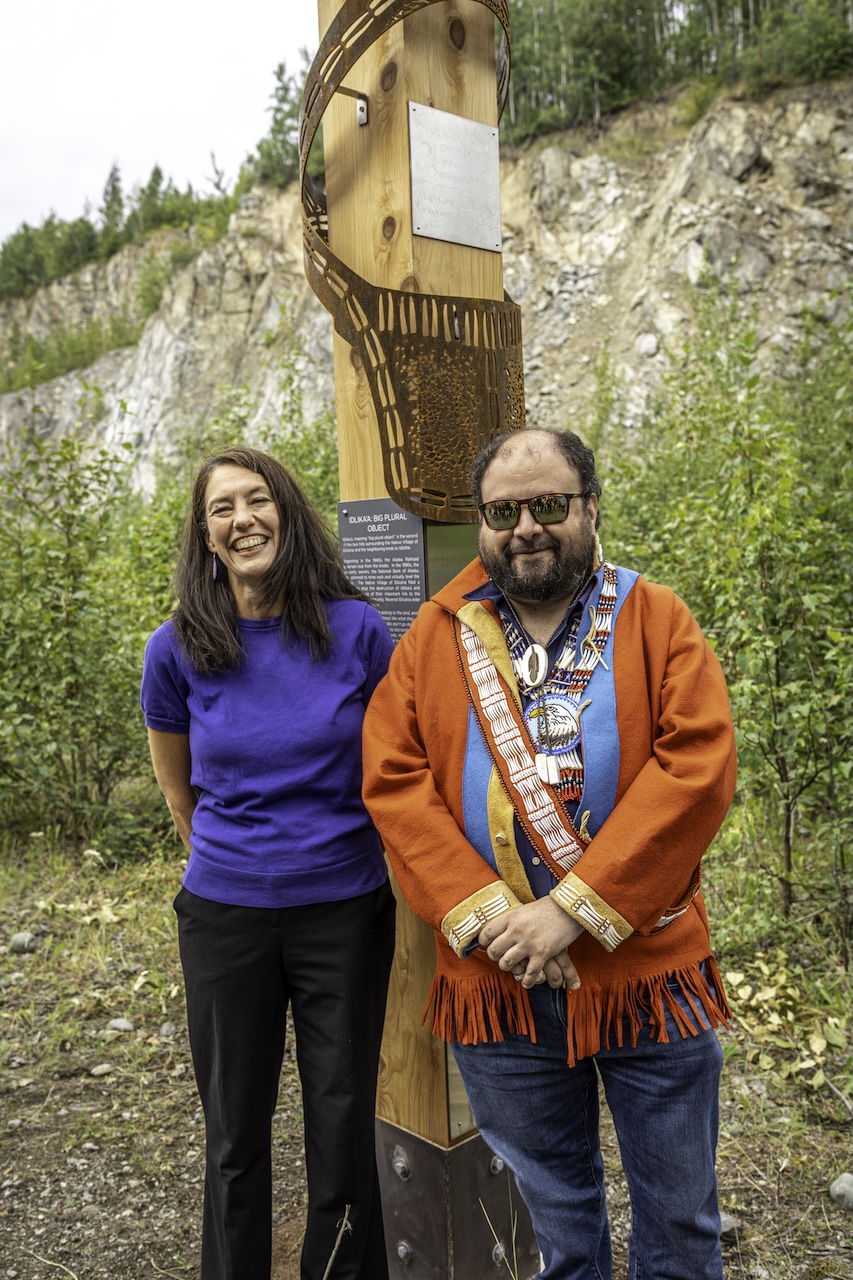
In addition to the restoration of the Eklutna River, we’ve worked to address the local housing shortage, improve public safety, education and culturally relevant programs for youth and enhance municipal landmarks and placemaking with Indigenous places, names, language and designs.
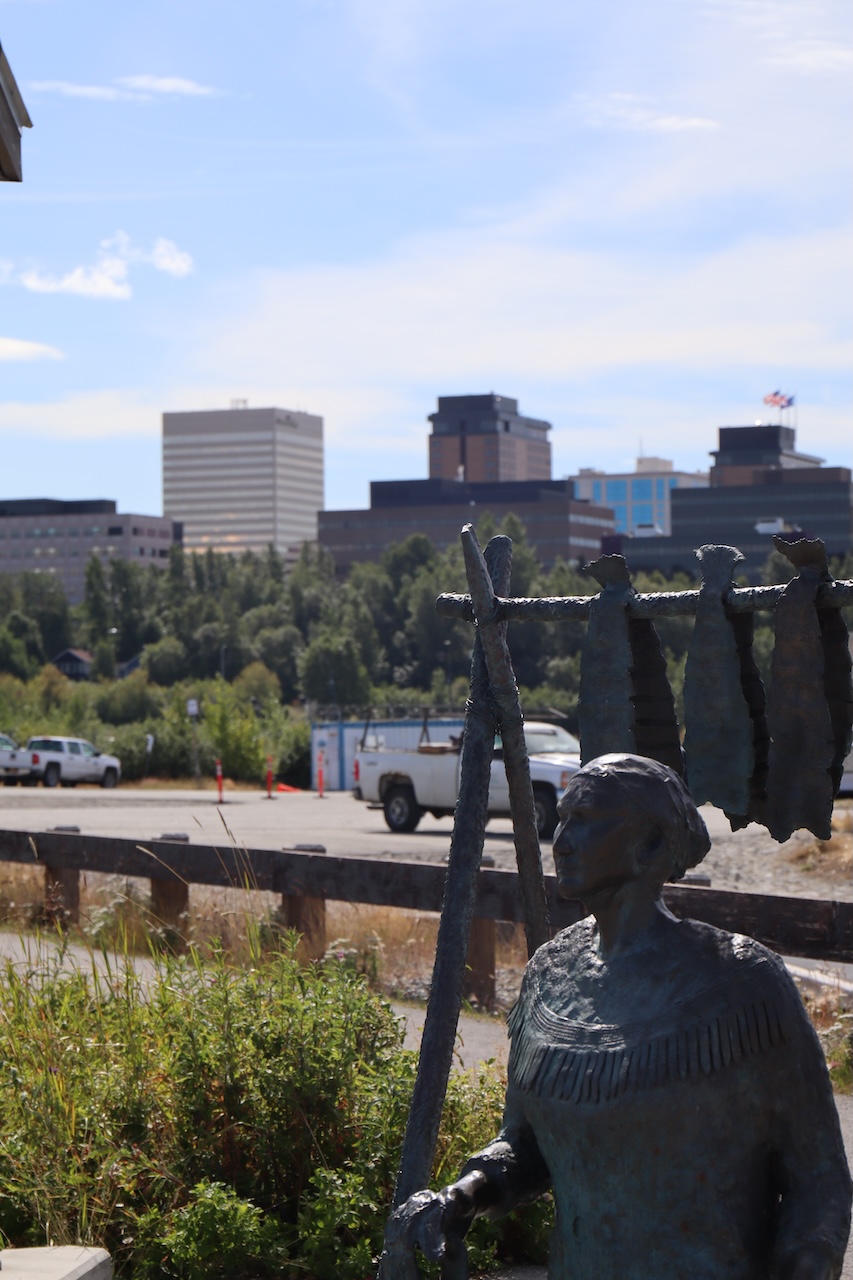
Today, members of the Native Village of Eklutna, the Anchorage Assembly and the Municipality of Anchorage have cited our government-to-government relationship as a powerful and useful tool, and one that could benefit other communities.
Five Key Elements of the Blueprint
While every community is different, these five elements are key to the success of any government-to-government relationship:
Make a Commitment to Meet, Learn and Explore the Possibilities Together
You don’t need to jump right into a government-to-government relationship as the first step. Anchorage committed to a year of study and exploration to find the right fit before committing to a long-term process.
Solidify It In Code
We began our relationship with Memorandums of Understanding between the Mayor and the Tribe, but those lost power when there was a change in mayoral administration early in the process. By establishing the relationship in our Municipal Code, it has a better chance of holding up over time, no matter who sits in the leadership seats of the different bodies.
Establish Regular Meetings and Communication
Once the relationship has been established, it is important to commit to regular meetings between the bodies to build relationships and discuss issues. Our bodies meet formally twice a year, which gives us time to work on ongoing projects, get to know who’s who in each other’s governments, update each other on current work and discuss issues of importance. Many of the issues that come up in meetings can be resolved by staff before the next meeting, but would not be identified without regular meetings and communications.
Make Time for Relationship-Building, Not Just Business
Our regular meetings always include a break for food and socializing (see the example agenda provided in the guide). Sharing a table has been an important part of the process for leadership of the two bodies to strengthen relationships and form a unified team when working with outside entities on our issues.
Bring Along and Build Relationships Among the Staff
While the relationships between elected officials are the heart of the agreement, relationships between staff are essential to carrying out the work. The staff who support the Native Village of Eklutna Tribal Council, the Anchorage Assembly and the Mayor of Anchorage are in regular communication to coordinate agendas, keep projects moving and strengthen connections between meetings.
Our code requires the Municipality to work in consultation with the Native Village of Eklutna to provide an annual training for municipal employees on the history and legal status of Tribes within Alaska and the Municipality.
For more about rebuilding relationships, we also recommend the National League of Cities’ Roadmap to Repair – A Guide to How Cities Can Acknowledge and Address the History of Harm to Indigenous Peoples, Rebuild Trust, and Repair Relationships (PDF).
Get Involved
NLC’s Local Indigenous Leaders (LIL) Constituency Group works to advance Indigenous representation in local government, promote Indigenous perspectives and strengthen relationships between local governments and Tribal Nations.
Three Things to Know Video Series: September 2026

What Cities Should Know About 530A Accounts
Celebrate Hispanic Heritage Month with HELO

NLC Spotlight On Pride Month

- Carmel Jones

Three Things to Know Video Series: May 2026
