


Co-authored by Kiley Yuthas, NLC Graduate Intern
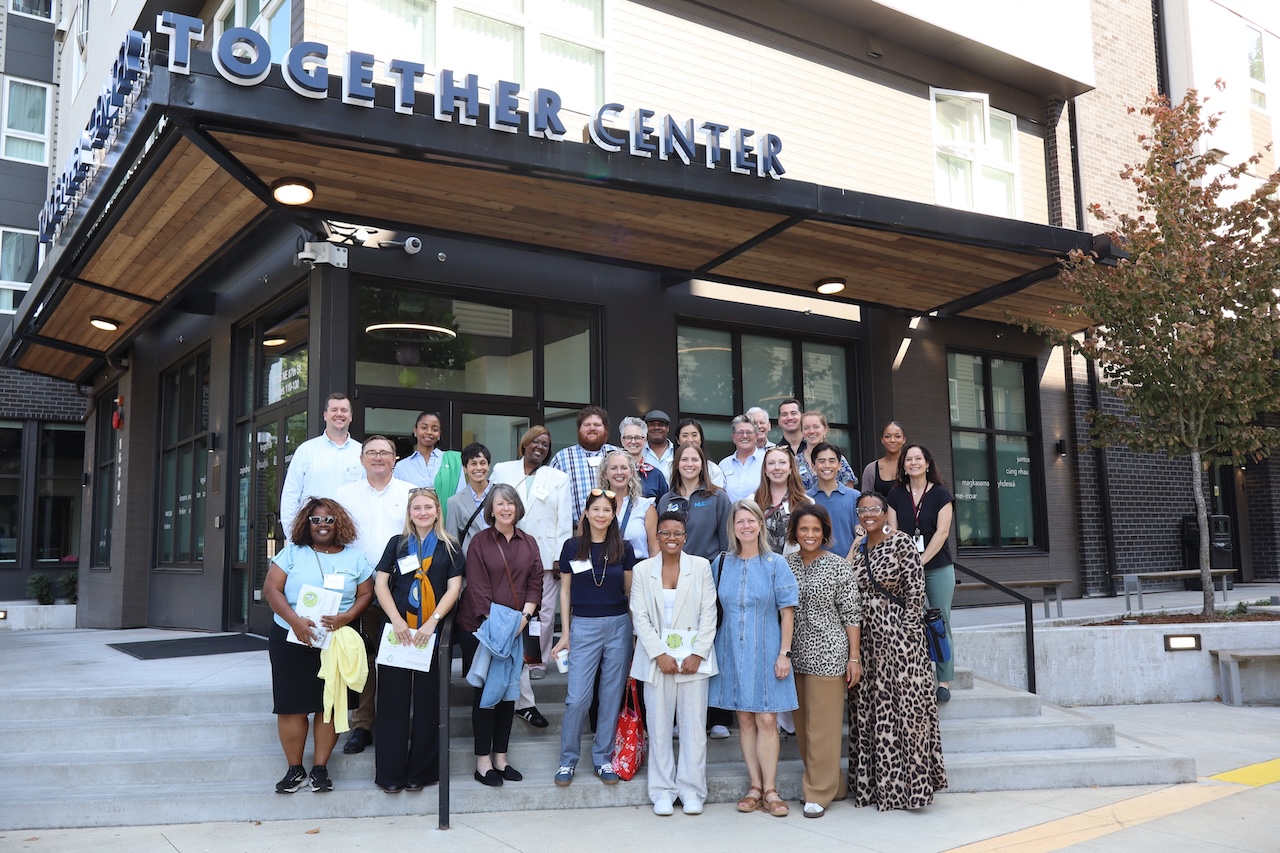
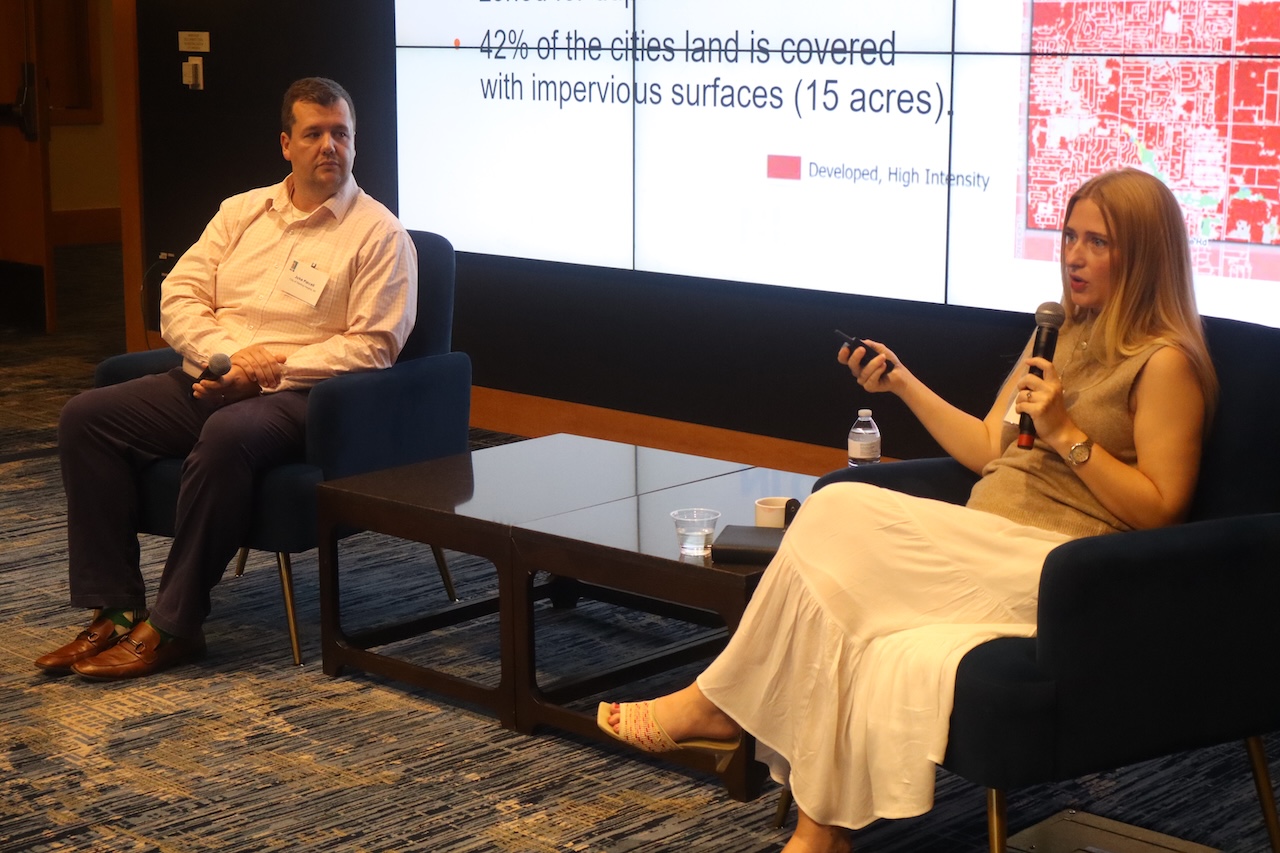
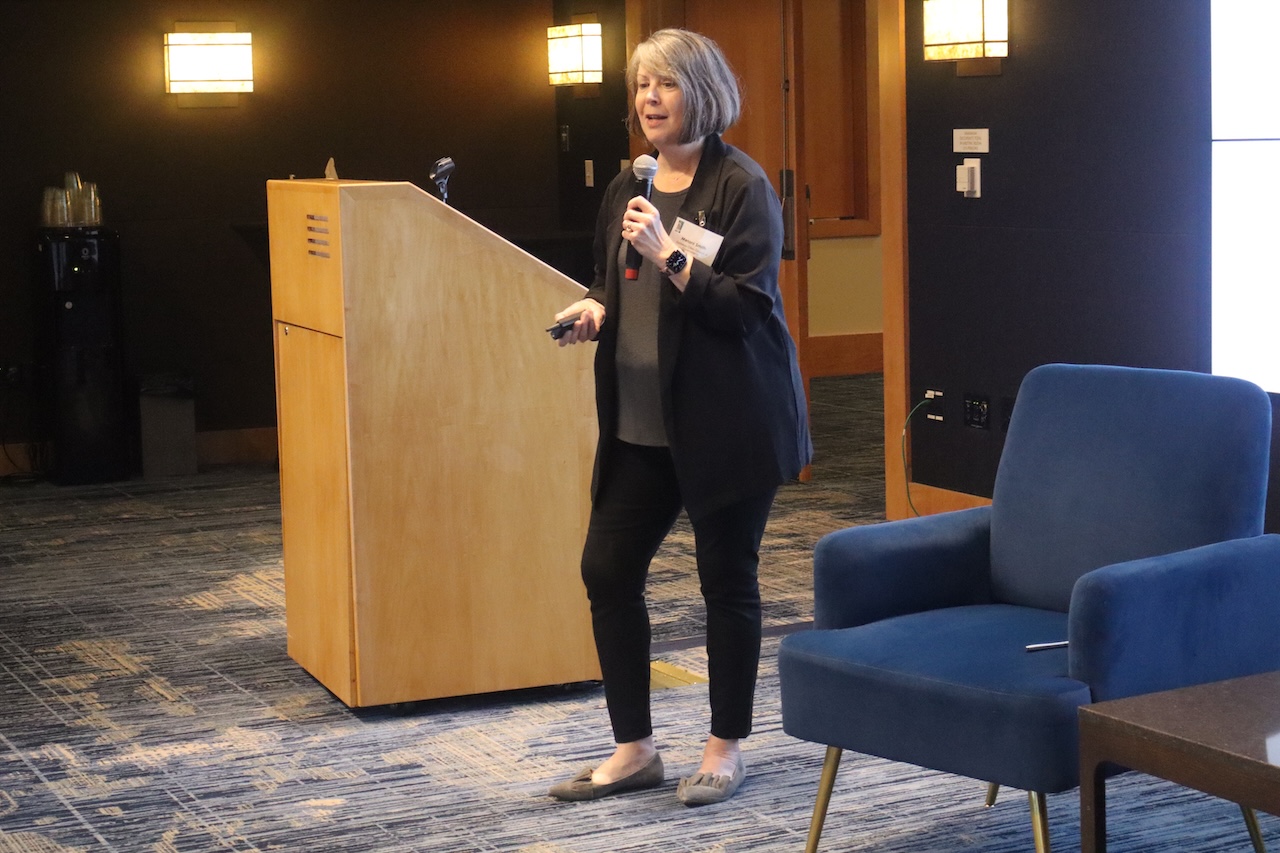
Earlier this year, on Aug. 18-19, 2026, National League of Cities convened local leaders and partners in Bellevue, Wash. for the Housing Supply Accelerator Exchange to discuss and share best practices and emerging solutions on addressing housing supply challenges.
The HSA Exchange brought together local leaders from Gateway Cities Council of Governments; Greensboro, N.C.; Houston, Texas; Lebanon, N.H.; Memphis, Tenn.; Philadelphia; Southern California Association of Governments; and Sterling Heights, Mich. Local leaders presented solutions that are delivering results in their communities and Amazon shared tools, resources and information to inspire acceleration of housing production and preservation across the country.
Key Takeaways from the Housing Supply Accelerator Exchange
Expand Housing Supply through Zoning and Land Use Changes
Zoning and land use updates are delivering wins for local governments and helping to increase housing production. Several examples highlighted during the HSA Exchange, included:
By-Right Overlays in Sterling Heights, Mich. (pop. 134,346): In the process of updating the city’s master plan, the Sterling Heights planning department also built in by-right overlay zones to streamline permitting processes. Mixed-use housing is permitted by right in these new overlay zones, and allowances are made for multiplexes, townhomes and cottage courts to encourage increased density in the overlay areas.
Additional height and density incentives are clearly delineated in the ordinance, so developers understand exactly what the city can offer to make projects feasible.
Road to 10,000 Initiative in Greensboro, N.C. (pop. 299,035): Greensboro recognized the need for more housing and developed an ambitious plan to add 10,000 housing units by 2030 to expand housing choices. Part of the initiative includes recommendations to update the land-use policies to enable by-right development of duplexes, triplexes, accessory-dwelling units and cottage courts; updates in their zoning ordinance to support missing middle housing (duplexes, townhomes, etc.); expanding commercial-medium zoning for multifamily development; and adjusting parking requirements to support walkable, mixed-use areas. Over 4,400 new homes, including apartments, duplexes, town homes and single-family homes, are under construction or have been completed since March 2025.
Offering Pre-Approved Plans in Lebanon, N.H. (pop. 14,282): To address development cost barriers and expand opportunities for affordable housing, the Lebanon proposed a pattern zone in its downtown neighborhoods to streamline the process of building high-quality infill housing. Utilizing pattern books and pre-approved home designs significantly reduces design costs, review timelines and development uncertainty for developers. The city is also planning to partner with local modular construction partners and creative lenders to further bring down construction cost barriers.
Align Municipal Tools and Private Capital to Finance Housing Production
The HSA Exchange also highlighted the reality that closing the housing supply gap requires layering local public dollars with private, corporate and philanthropic investments. Local leaders shared a strong model for multi-pronged financing approaches:
Three-Pillar Model in Philadelphia (pop. 1,603,797): To maximize sustained investment in affordable housing, the city deploys a three-pronged, coordinated approach that is helping meet the need for housing in the city. The first pillar, Philadelphia’s Housing Trust Fund (HTF) (PDF), has been providing a dedicated, recurring source of local funding for affordable housing for over 20 years.
The HTF provides funding to nonprofit developers and prioritizes creating and preserving affordable rental and special needs housing throughout the city. The second pillar, the H.O.M.E. Initiative, scales the HTF investment with a multi-layered funding stack that includes bond obligations, public lands and HUD funding, adding a combined $2 billion to affordable housing funding in the city. The third pillar ensures ongoing private investment in affordable housing by implementing a mixed-income housing bonus (PDF) that offers a density bonus to developers to include affordable units or make an in-lieu-of payment into the HTF. The model showcases the benefit of self-reinforcing, multi-pronged approaches, and is allowing Philadelphia to scale their affordable housing initiatives to meet the demand in their city.
Predevelopment Loan Fund in Southern California Gateway Cities: To meet the need for affordable housing in Southern California, the Gateway Cities Council of Governments established an Affordable Housing Trust that blends LA County sales tax dollars with funds from the Southern California’s Council of Government COG’s Regional Early Action Planning (REAP) Grant Program to provide initial funding for an acquisition and predevelopment loan fund. The initial investment supports projects with low-interest loans for early-stage costs including land acquisition, planning and design and zoning and permitting fees, among others.
Middle Income Housing Pilot Program in Memphis, Tenn. (pop. 633,104): Memphis launched a pilot program designed to provide subsidized financing for infill development that is affordable to middle-income Memphians. Approved housing types include duplexes, townhomes, small multifamily and infill single-family homes. The subsidies provided are grants.
Partners and city officials stressed the need to expand relationships with private capital funders and to partner with key employers, businesses and banks with an interest in supporting community development initiatives.
Invest in Infrastructure and Partnerships to Support Housing Development
Convening participants agreed that infrastructure is key to increasing construction capacity and advancing local housing goals. Even with ideal zoning, the absence of physical utility capacity can stall construction progress, increase development costs and prolong timelines to get new housing units on the market. Local leaders shared:
Regional Utilities Supporting Housing (RUSH) program at Southern California Association of Governments (SCAG): The goal of the RUSH Program (PDF) is to fund projects and programs with innovative solutions to reduce development costs and increase housing production capacity in infill areas through utility planning and capital investment. SCAG allocated $35 million to 12 projects across their jurisdiction to support investments into utility infrastructure planning and capital improvements. Broader, system level planning for infrastructure investments creates transparency for developers interested in starting new projects who can rely on knowledge of planned local investment prior to beginning construction.
Local governments alone are unable to solve the housing supply problem and partnerships are critical to accelerating housing supply. During the HAS Exchange, participants highlighted opportunities to deepen local partnerships and initiatives that can also be used to unlock additional resources for housing production.
Faith and Affordable Housing Summit in Houston, Texas: (pop. 2,304,580): Houston identified faith-based land as an untapped opportunity for new development and highlighted partnerships with faith-based institutions to create more affordable housing opportunities.
Developing trusting, mission-driven partnerships with faith-based institutions is key to successful collaboration on such projects, and when done effectively, can produce benefits for both the city and congregations.

Leverage Technology to Support Housing Construction
Emerging technologies and data analysis tools to help accelerate development timelines and streamline planning processes for housing construction projects were shared. Some of the tools shared by local leaders and Amazon during the convening included:
- Gateway Cities Amenities Explorer: Public tool to evaluate parcel suitability for tax-credit projects. It also supports strategic planning and public transparency.
- Housing Indicator Tool: Collaboration between Amazon and Housing& that tracks the DC region’s progress toward housing production and preservation goals.
- Build Here Puget Sound: Regional housing data platform that brings together zoning data, developable land inventory, feasibility analysis and parcel-level housing projections across King, Kitsap, Pierce and Snohomish counties, developed by the Puget Sound Regional Council. It can help evaluate sites for affordable housing, prepare legislative testimony and conduct research.

Special thanks to Amazon for sponsoring the Housing Supply Accelerator Exchange.
About the Author


From Surplus to Support: How Cities Can Strengthen Local Food Recovery

- NLC Partnerships

Bipartisan Housing Breakthrough Opens New Opportunities for Cities to Expand Affordable Housing

3 Stats About the Affordability Crisis Every Local Leader Should Know
- Justin Chu
- Ayesha Mehrotra

CitiesSpeak Podcast: Passing the Housing Act Into Law with Rep. Mike Flood

Preparing for ROAD: Community Development Block Grant Program
